

Published October 25, 2022
5 Tips for First-Time Homebuyers

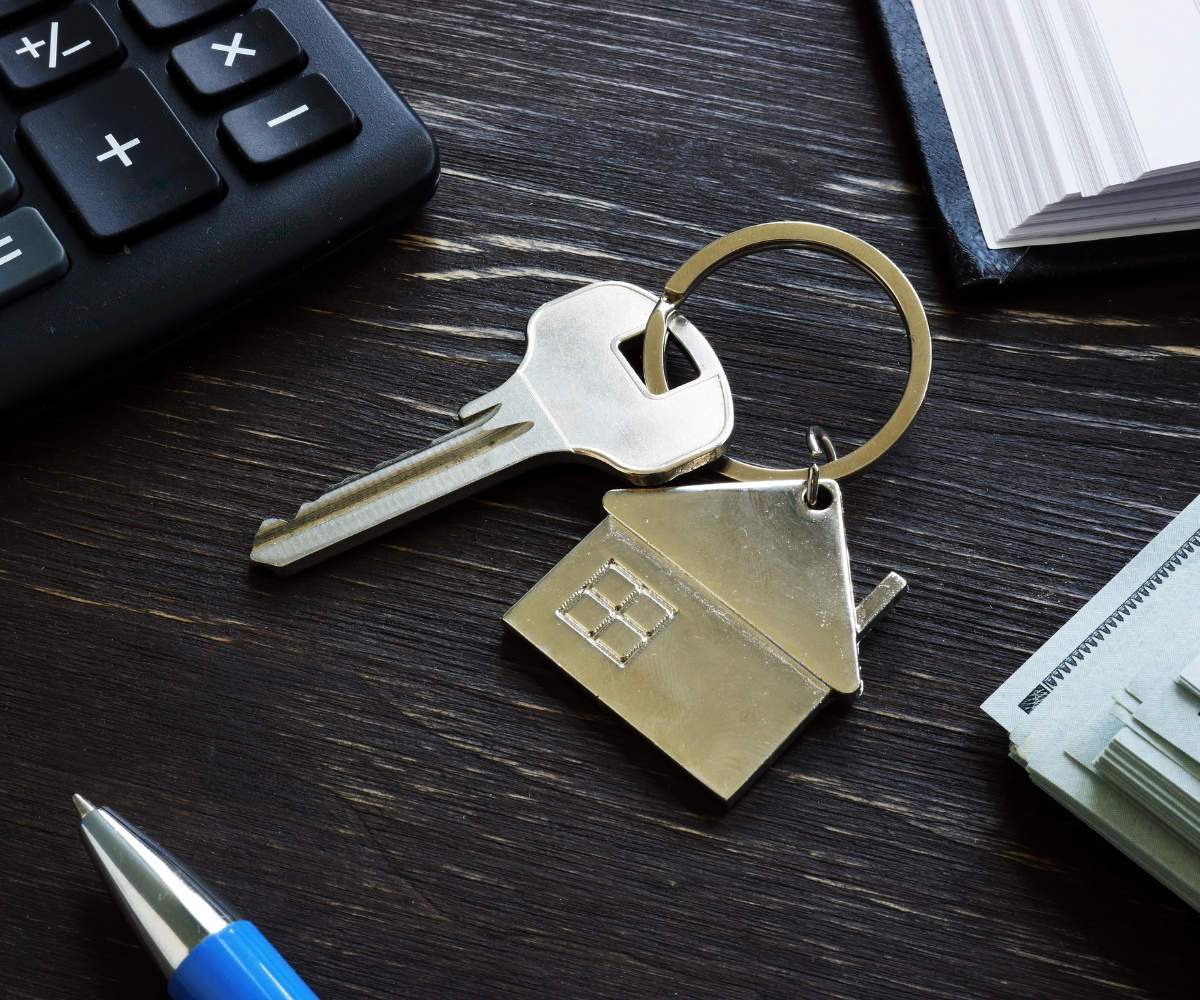
Homeownership is a dream for many people. It’s a sign of independence, stability, and success. Buying a home is one of the biggest financial investments you can make and it's no wonder that the process can be both exciting and stressful. But don't worry, with the right preparation you can avoid many of the potential pitfalls.
These are our 5 top tips for first-time buyers to make your transition into homeownership a smooth one.

1. Plan for the long-term
Like any other large purchase, owning a home is a big commitment but can be very rewarding. Taking the time to think about whether or not you’re ready to buy a house will help you make the best decision for your future. One consideration is the cost of buying versus renting your home. While you may get more flexibility and freedom with renting, buying a home could be an investment as it not only provides more stability, but you could receive tax deductions and equity.
You may not be thinking about your first home as your forever home but it’s helpful to consider your short-term and long-term aspirations. If you have a family or are thinking about starting one, you should consider the size of your house and maybe the surrounding school district. If you may value a yard or private patio down the road, this should also be factored into the types of houses you view. If you think of your future goals and you’re prepared to commit, then owning your own home can be an enormously rewarding experience.
2. Look at your finances
When you're thinking about buying a home, it's important not to underestimate the cost. A key step in the process is getting prequalified for a mortgage so you know what is in your budget before you begin your house search. Along with the mortgage, consider saving for the down payment which generally ranges from 3-25%, which depends on your mortgage lender and the type of mortgage, the closing costs, which are typically 2% to 5% of the loan amount, and the move-in expenses such as repairs, upgrades, or movers. As a homeowner, you will have a lot of responsibilities that come with expenses you should keep in mind. There are the more obvious costs, such as mortgage payments and property taxes, but there are also hidden costs like repairs and maintenance. The National Association of Home Builders estimates that about 10.8% of the total costs to own and maintain a home are spent on regular maintenance and routine repairs which is about 0.54% of total home value. These costs depend on the size, age, location, and history of your home but typically include repair or service for appliances, plumbing, fireplaces, vents, water heaters, and other items. For repairs, renovations, and other unexpected expenses make sure to factor all of these costs into your budget before making an offer on a house.

3. Work with the real estate agents you trust
Real estate agents play an important role in the home-buying process. They are typically responsible for helping buyers find suitable properties and negotiating purchase offers on their behalf. They'll help you determine a fair price for the home and work with the seller or seller's agent to reach an agreement that is satisfactory for both parties. In some cases, real estate agents may also provide guidance on mortgage financing options and advise on local market conditions. Once an offer has been accepted, agents can help to coordinate the closing process and ensure that all necessary paperwork is in order. In short, real estate agents can provide a wealth of knowledge and assistance throughout the entire home-buying journey, and with the help of a real estate agent, buying a new home can be a seamless and stress-free experience. If you’re curious about the process and how a real estate agent can help you, reach out to us for a chat.
4. Research
Home is where the heart is. Your home won’t just be a shelter from the storm but also a place for your family and friends to gather and create lasting memories. You can find the right balance of all the elements that benefit your family by taking the time to do your research. What neighborhoods would be a good fit for you? What makes the community unique, and more. Once you have a list of potential neighborhoods, you can research the nearby schools, your commute to work, and of course, the distance to nearby amenities such as a gym, grocery store, coffee shop, and restaurants. If possible, visit the area at different times of day to gauge the volume of traffic and noise as well as the comfort level of the locals when they are outside.
Deciding on a neighborhood is one of the most important steps in finding a new home. After all, where you live can have a big impact on your day-to-day life. That's why it's important to take some time to get to know the neighborhoods that interest you. As you begin your search for a new home, it's important to keep in mind that neighborhoods can be just as unique as the people who live in them. Each neighborhood has its unique character, and you'll likely find that you have a natural preference for some types of neighborhoods over others. To help narrow down your search, take the time to record the characteristics of the neighborhoods that appeal to you the most. Once you've decided on a few potential areas, plan to attend some open houses. Even if the properties aren't ideal for you, looking at them can give you a better sense of what it would be like to live in that neighborhood. With a little effort, you're sure to find the perfect place to call home.
While you’re viewing houses, don't forget about the little things. Things like storage space, natural light, and noise level can make a big difference in your day-to-day comfort. Finding a balance between all of these elements is vital to choosing the right home.

5. Trust the process
There’s nothing quite like having a place to call your own, but the process of finding that perfect home can sometimes be frustrating. You might fall in love with a house only to find out that it’s out of your price range, or you might make an offer on a home only to have it rejected. But it’s important to remember that these setbacks are all part of the process. For every “no,” you’re one step closer to finding a resounding “yes.” So don’t get discouraged—keep looking, and you’ll eventually find the home that’s right for you.
Once you and your agent(s) have found a few potential homes, it's time to start visiting them. Take your time and imagine yourself living there. It might take a few tries, but eventually, you will find the home that's just right for you. When you're ready to take the plunge with a purchase, it's important to remember that you're in charge of everything. There's no landlord to contact when something goes wrong; you'll need to be prepared to handle any repairs or maintenance issues that come up. But, being a homeowner also comes with some great benefits. You'll have the freedom to make your home exactly what you want it to be, and you won't have to worry about dealing with noisy neighbors or restrictive landlords, and you’ll be building your own equity by paying for your own mortgage instead of paying someone else’s. Whether you are looking for your first home or a forever home, there is a perfect property out there for you. So, don't rush into anything, and enjoy the journey.

If you’re looking for more information or guidance on being a first-time homebuyer, check out one of our favorite books, Your First Home: The Proven Path To Homeownership which includes a lot of information about home-buying from finding a lender to negotiating with sellers. With these tips for first-time homebuyers, it’s time to find a realtor you trust to help you. The process of buying a home can be daunting, but with the help of a knowledgeable and experienced realtor, it can be much simpler.
Here at Pearsall Properties, we love helping people find their first homes. We'll work with you to find a home that fits your needs and budget, and we'll be there to answer any questions you have along the way. Contact us today and let us help you take the first step toward finding your perfect home!

Lindsey Pearsall
| Pearsall Properties | Keller Williams Metro West
or another way